Client: Tourism, Leisure & Culture, LLC, Kühlungsborn
Project period: January–September 2026
The project in brief
With approximately 2.5 million overnight stays per year, the Baltic Sea resort of Kühlungsborn is one of the most successful tourist destinations on the German Baltic coast. The sea, the beach, the town forest, the resort architecture, a robust tourism infrastructure, and a high quality of life provide ideal conditions for future development.
On behalf of Tourismus, Freizeit & Kultur GmbH Kühlungsborn, we are evolving the existing “classic tourism concept” into an integrated and forward-looking tourism strategy, “Kühlungsborn 2035”— including a strategic narrative, areas of action, and an implementation roadmap.
The central question in this project is: How can Kühlungsborn preserve its exceptional qualities while simultaneously becoming one of Germany’s most distinguished year-round destinations?
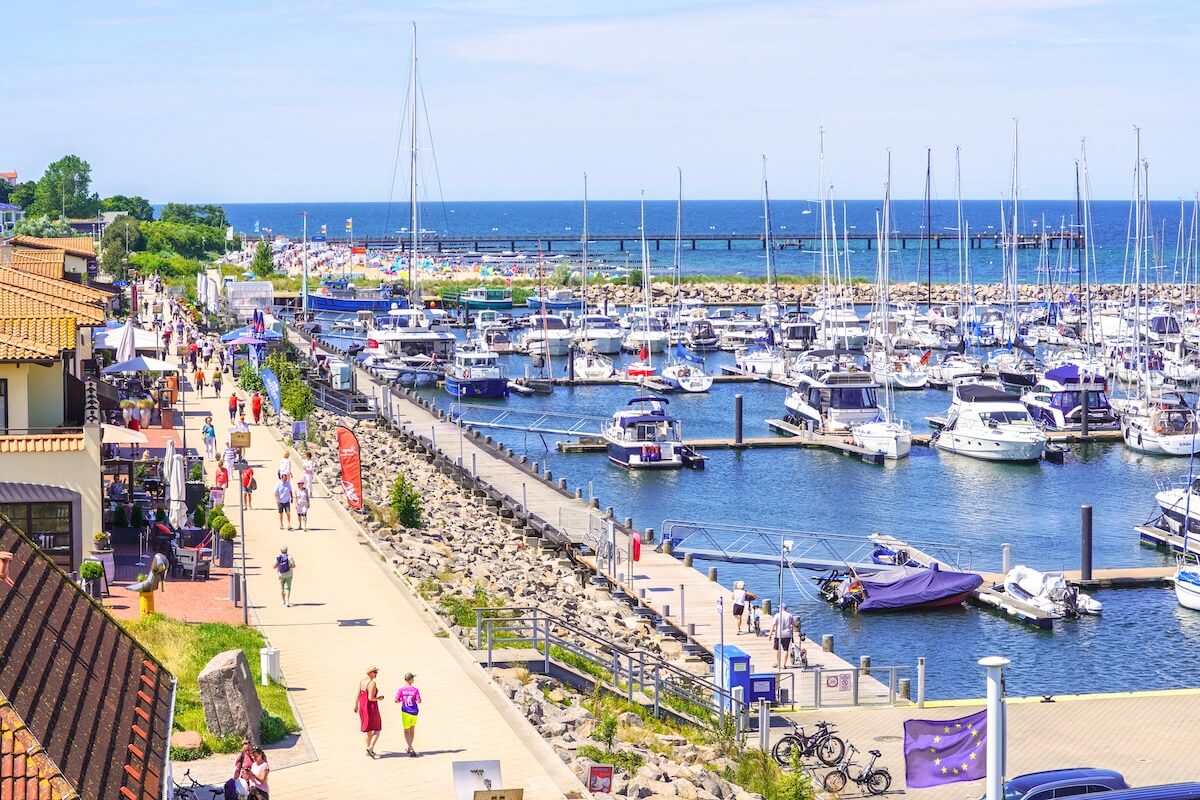
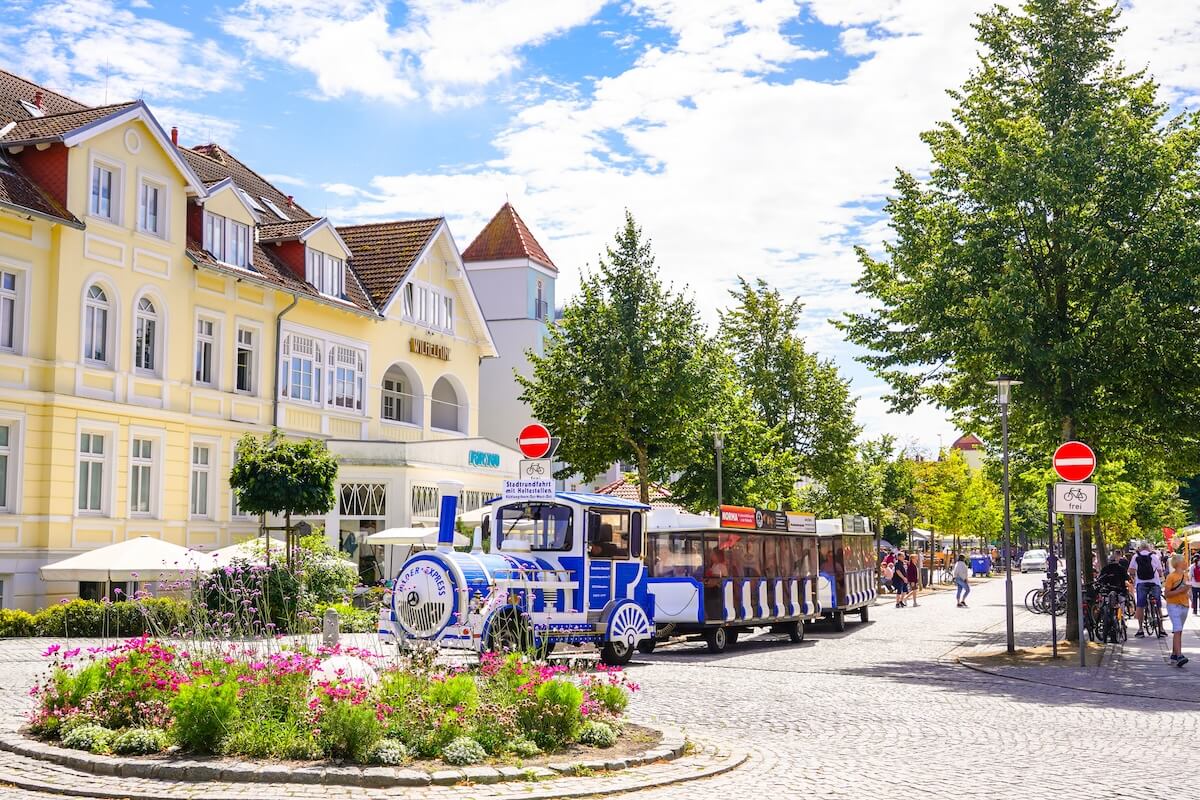
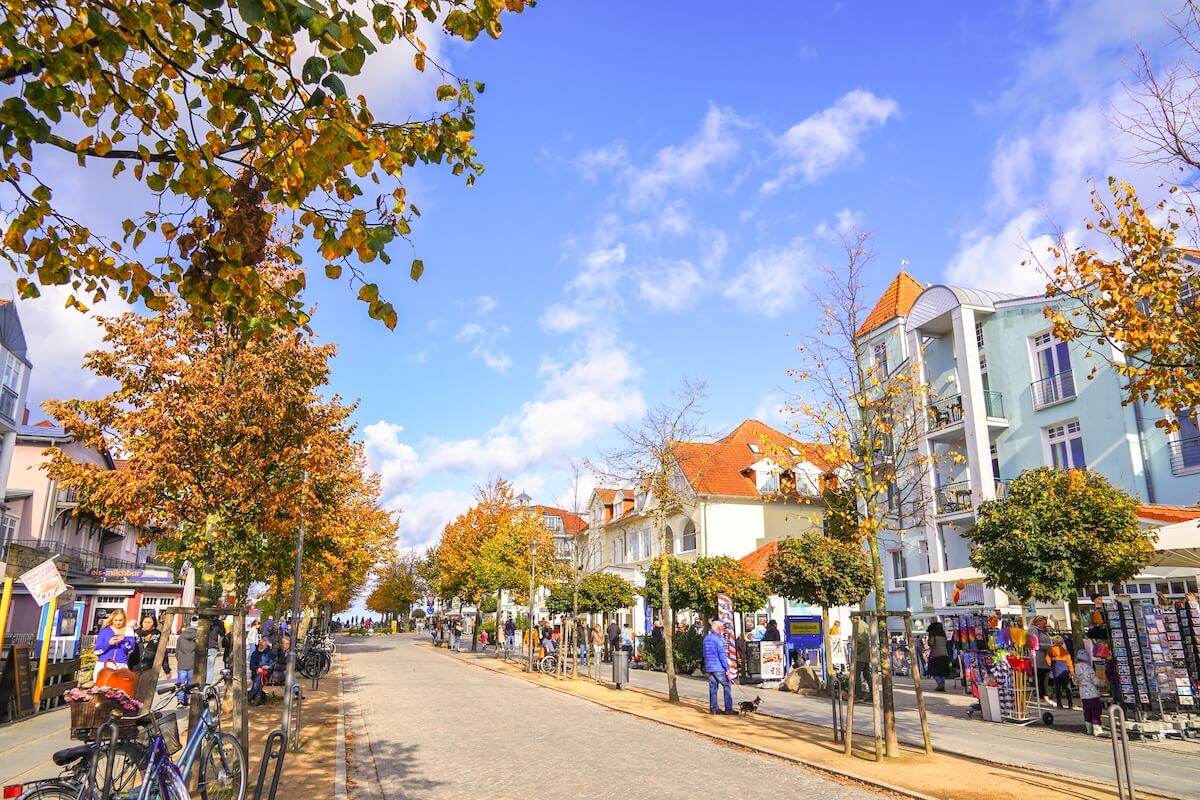
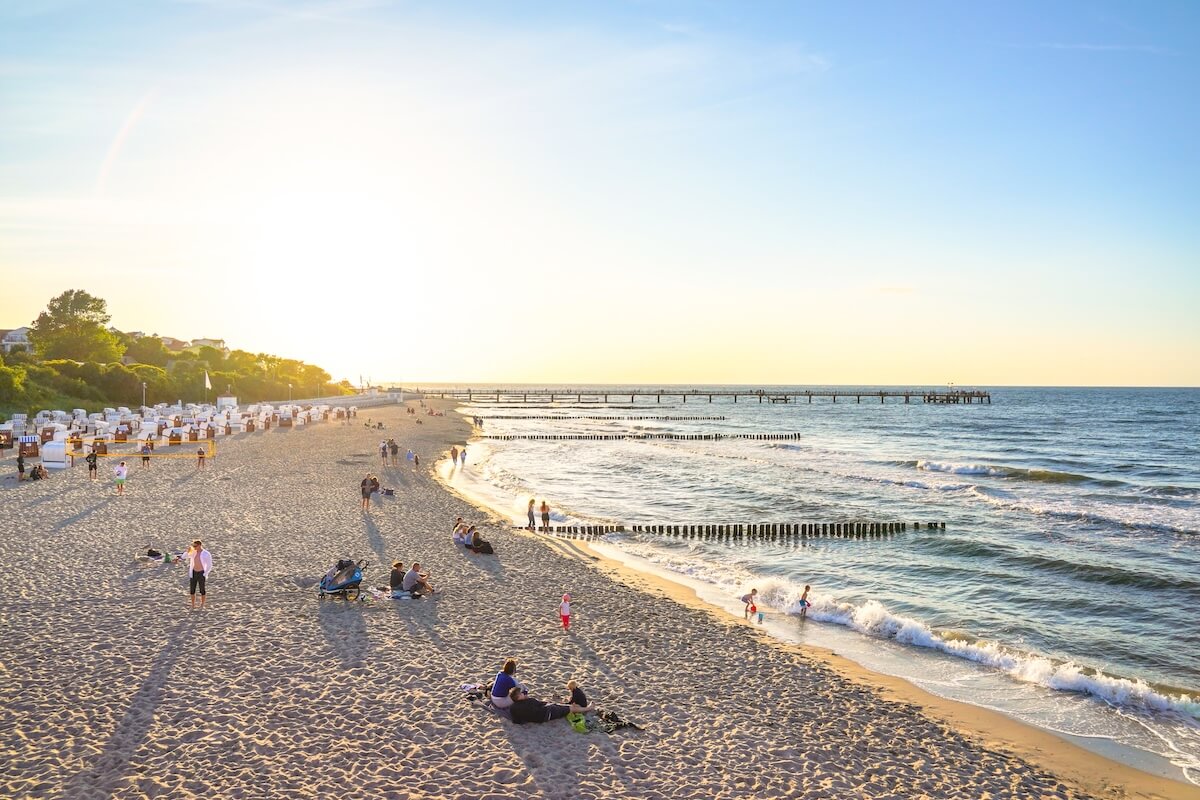
City, beach, harbor, sea: Kühlungsborn is one of the most popular tourist destinations on the German Baltic Sea coast © Jasmin Fernholz
The challenge
Kühlungsborn is starting from a position of strength. At the same time, guest needs and broader conditions are changing—for example, in terms of travel needs, sustainability, mobility, digitalization, and skilled workers. The update to the tourism strategy was not about generating new demand, but rather about more clearly highlighting the strengths of the Kühlungsborn destination, linking them together, and further developing them in terms of quality.
Our mission in detail:
- raise the profile of the tourism sector
- Consistently Improve the Quality of the Stay
- Integrating Tourism and Quality of Life More Closely
- Create new reasons to travel outside the peak season (keyword: year-round destination)
- Better Coordinate Programs and Activity Spaces
- Develop a common framework for policy, administration, the tourism industry, and urban society (goals, priorities, measures)
Particular emphasis was placed on quality rather than quantitative growth, as well as on raising the destination’s profile, extending the tourist season, and strengthening the link between tourism and quality of life.
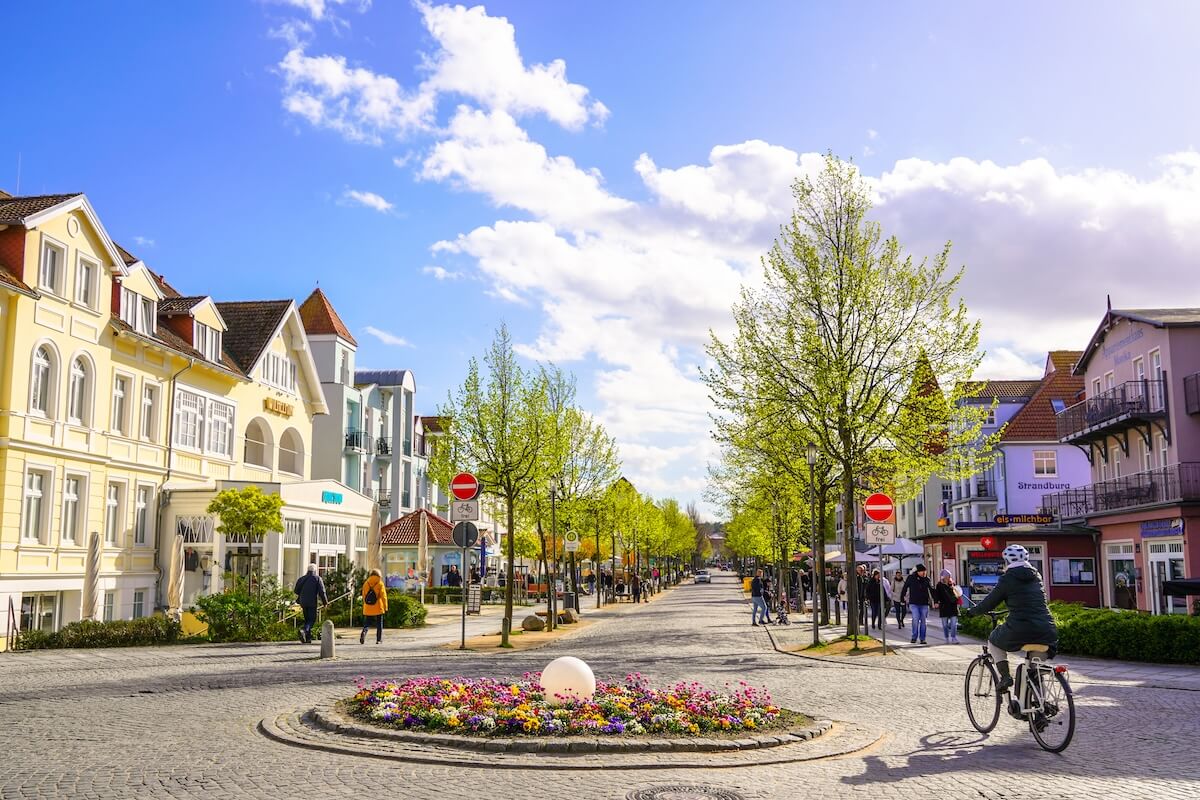
Kühlungsborn is a tourist destination—but it is also home to about 8,100 people and the center of their lives © Jasmin Fernholz
Our Perspective
Tourism development is always also urban development.
Tourism shapes public spaces, creates economic value and new opportunities, and influences the quality of life for local residents. That is why we consider a town’s tourism profile, spatial development, and local collaboration as a whole.
For Kühlungsborn, this means pooling existing strengths and developing them in a way that creates a clearer profile and a shared direction. The key factor is determining which offerings, spaces, and projects actually reinforce this direction.
Our Solutions
Analysis and Participation as a Foundation
We begin with a multi-step analysis process—thereby laying the groundwork for subsequent strategic decisions. In plain language, this means: We combine existing concepts and tourism metrics with surveys of visitors and residents, discussions with experts, and analyses of the competitive landscape and trends.
Alongside the analysis, we document the various perspectives from politics, government, and urban society through a series of participatory formats that build on one another. These include:
- an internal strategy workshop with the mayor, city administration, and the client,
- a strategy workshop with tourism service providers and regional stakeholders,
- a workshop on developing concrete measures and setting priorities, as well as
- An open workshop for citizens to help develop Baltic Platz
We evaluate every insight gained from analysis and engagement and integrate it into the ongoing strategy process.
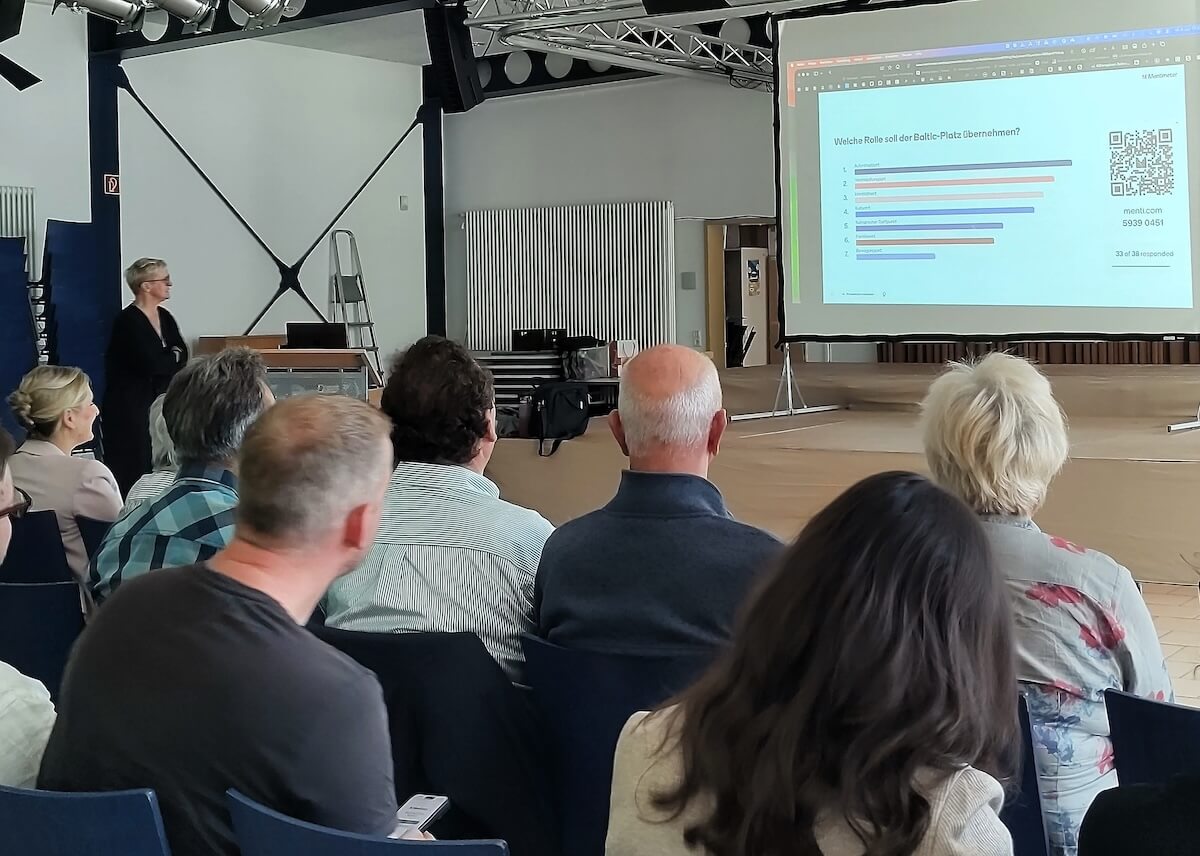
Julia Staron, project manager at Stadtmanufaktur, leads the open workshop for the development of Baltic-Platz in Kühlungsborn
Strategic Narrative: “Kühlungsborn Moves”
Kühlungsborn already possesses many qualities that make it a strong destination. The goal of the Tourism Strategy 2035 is to link these qualities together and further develop them.
The strategic narrative “Kühlungsborn Moves” captures this direction. The concept of “movement” here stands not only for activity, but also connects nature and well-being, culture and social interaction, as well as the continued development of the town itself.
Spatial Vision: “Kühlungsborn as a Cohesive Experience Space”
In the spatial vision developed further, we define the coastline as the spatial backbone of the tourism strategy. The beach, city forest, promenade, Baltic-Platz, and harbor are conceived as a cohesive experiential space and summarized in the vision statement “Kühlungsborn as a Cohesive Experiential Space”—a single sentence that four dimensions of quality of stay in Kühlungsborn:
- Experience Nature
- stroll and enjoy
- Culture and Interaction
- maritime experience
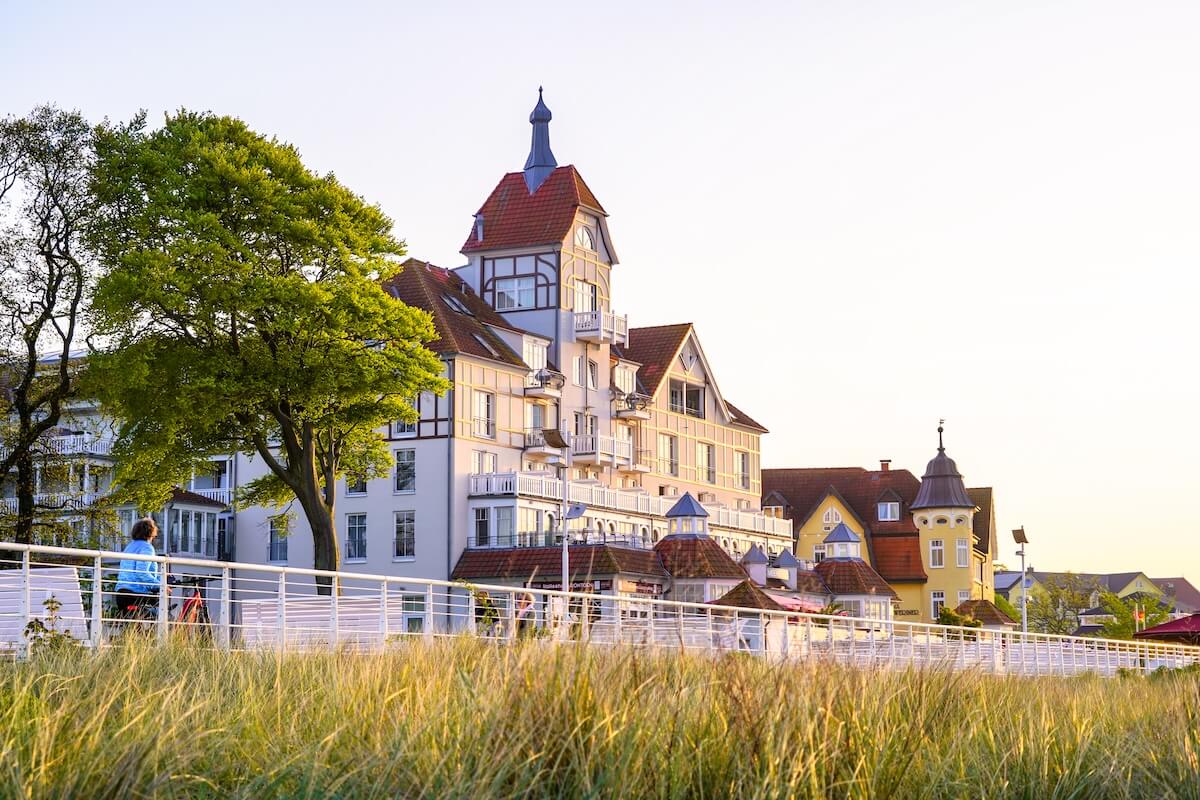
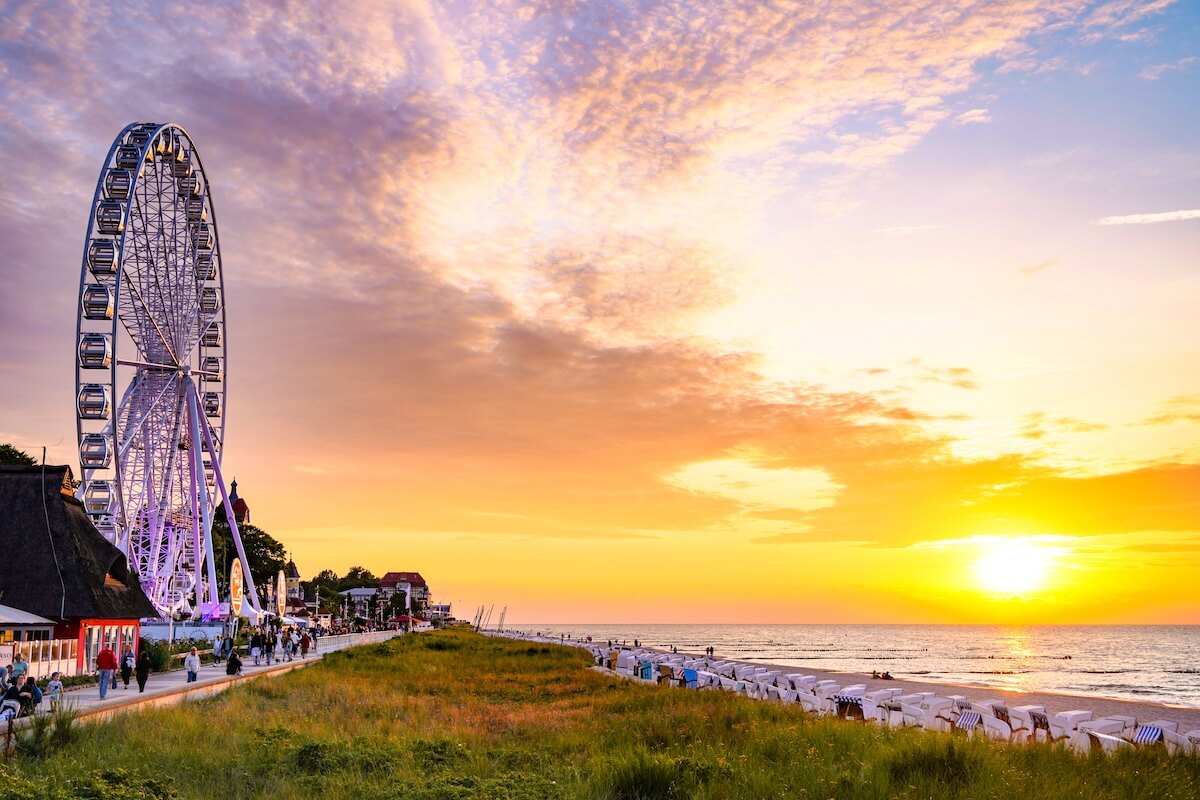
The coastline as the backbone of the Kühlungsborn 2035 tourism strategy—which also raises the question: What will happen to the Ferris wheel on Baltic Platz? © Jasmin Fernholz
Clear Priorities for the Future: Strategic Areas of Focus and Key Projects
Based on analysis and stakeholder engagement, narrative, and vision, we have identified six strategic focus areas that structure the tourism strategy—ranging from “Quality and Quality of Stay” and “Culture, Events, and Year-Round Tourism” to “Visibility, Communication, and Destination Marketing.”
This, in turn, gives rise to five key projects for Kühlungsborn:
- Development of Baltic Platz
- Further Development of Villa Baltic
- Positioning Itself as a Destination for Fitness and Well-being
- Further Development of the Destination Brand
- Consistent improvement of the quality of public spaces and tourism offerings
Roadmap and Implementation Structure Through 2035
There is no strategy without a roadmap for implementation —that is part of our value proposition as Stadtmanufaktur. A key component of the tourism strategy for Kühlungsborn is therefore the implementation roadmap through 2035, which consists of three phases:
- 2026–2028: Laying the Groundwork
- 2029–2031: Sharpen our profile and boost year-round tourism
- 2023–2035: Implement key projects and strengthen our market position
In addition , as part of the tourism strategy , we are also considering the governance and implementation structure—including responsibilities, coordination, monitoring, and the ongoing updating of the strategy. Tourismus, Freizeit & Kultur GmbH Kühlungsborn plays a central role in this process: coordinating implementation, networking partners, and managing the brand and monitoring progress.
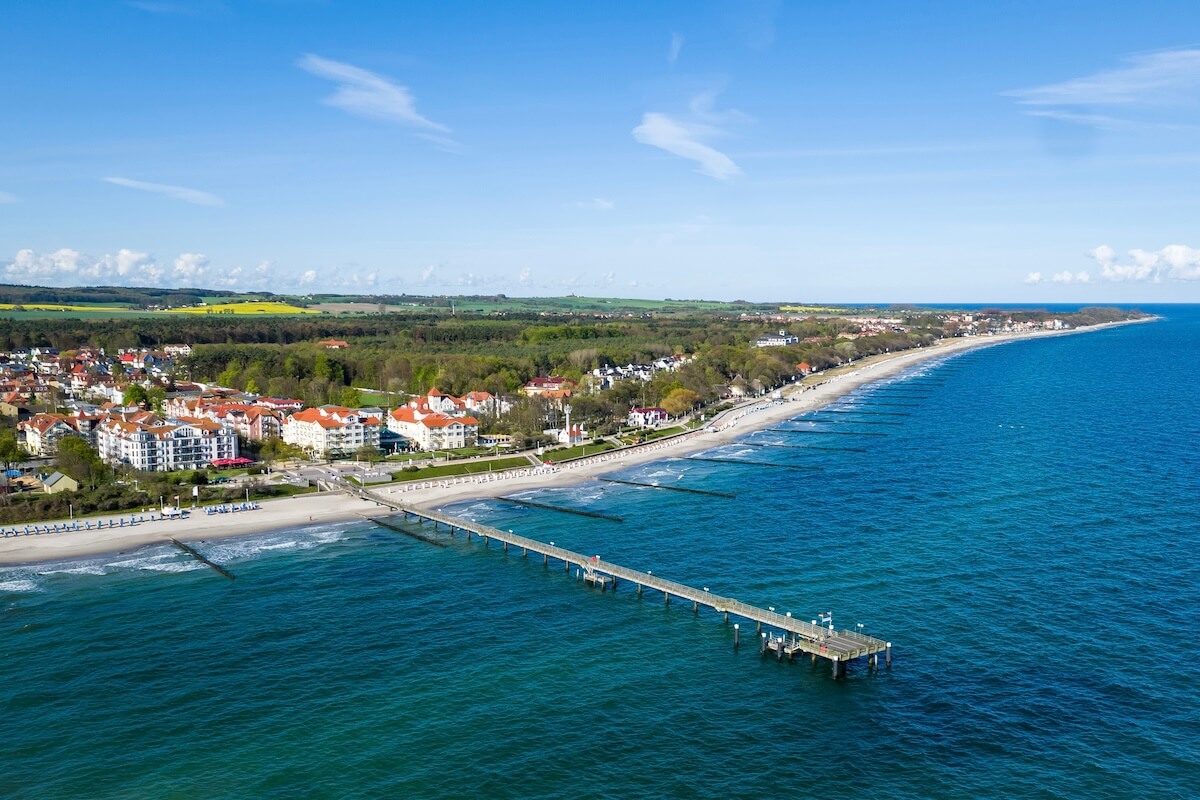
A View of the Baltic Sea Resort of Kühlungsborn – A Look into the Future Through 2035 © Photographed in Germany
The result
A Clear Path for Tourism Development: The Kühlungsborn 2035 Tourism Strategy brings together the most important issues, sets priorities, and provides guidance for policymakers, government officials, the tourism industry, and the local community. A key point here is that destination marketing will no longer stand alone in the future, but will be approached in an integrated manner and embedded within issues of urban development and quality of life—including from the perspective of the people who live and work in Kühlungsborn on a permanent basis.
A brief summary of the strategy: Six areas of action and five key projects outline what will be important in the coming years. The roadmap translates this shared direction into concrete steps leading up to 2035—with clear responsibilities, milestones, and a framework for implementation.
Reporting on the project
Updateon the Tourism Concept – stadt-kuehlungsborn.de
New Tourism Strategy for Kühlungsborn: What Will Happen to the Ferris Wheel? – Article in the Ostsee Zeitung
Kühlungsborn Residents Discuss Tourism Strategy: “We Need to Appeal to New Target Groups!” – Article in the Ostsee Zeitung
Photo credits: Jasmin Fernholz, Deutschland abgelichtet, Stadtmanufaktur